Dental House Calls
Eating, Speaking, Smiling: Why Geriatric Dental Care Is Central to Independence
 Blende Dental Group
 7701
7701
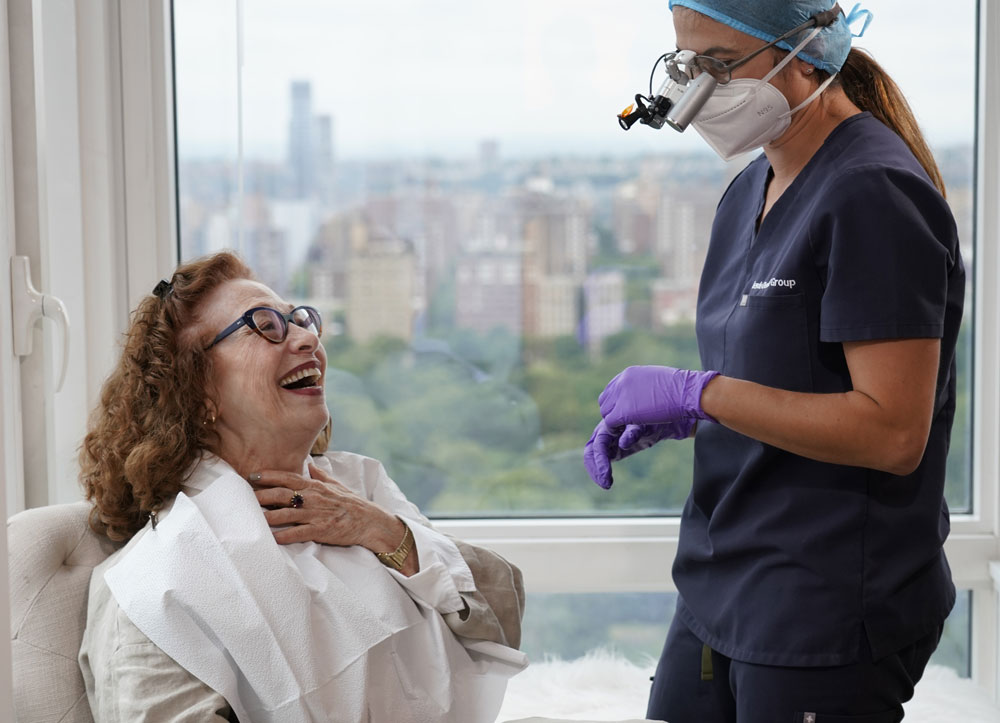
When people think about independence in aging, they often focus on mobility, driving, or the ability to live alone. But some of the most meaningful markers of independence are quieter and easier to overlook: the ability to eat comfortably, speak clearly, and smile without pain or embarrassment. That’s why geriatric dental care planning matters: it helps protect daily function when aging, illness, or mobility limitations make routine dental visits harder.
These basic oral functions are deeply tied to dignity, nutrition, social connection, and quality of life. For many older adults, when oral health declines, independence often follows.
Geriatric dental care isn’t just about teeth. It’s about preserving the everyday experiences that allow older adults to remain engaged in their lives and relationships.
Oral Function and the Experience of Independence
For most of us, eating, speaking, and smiling are automatic. We rarely think about the mechanics behind them until something goes wrong. For older adults, especially those with medical or cognitive complexity, oral health challenges can quietly erode these abilities.
- Eating: Missing teeth, advanced decay, ill-fitting dentures, or untreated gum disease can make chewing painful or ineffective. This often leads seniors to avoid nutritious foods like fruits, vegetables, and proteins, increasing the risk of malnutrition and weight loss.
- Speaking: Oral discomfort, unstable dentures, or tooth loss can affect clarity of speech, making communication frustrating or embarrassing.
- Smiling: When oral disease causes visible damage, bad breath, or pain, many seniors withdraw socially, avoiding conversation, meals, and photos.
These changes don’t just affect the mouth—they affect confidence, social participation, and a person’s sense of self.
The Hidden Link Between Oral Health and Social Engagement
Social isolation is a significant risk factor for physical and mental decline in older adults. Oral health problems often accelerate that isolation.
A senior who avoids shared meals because eating is difficult may stop attending family gatherings. Someone embarrassed by their smile or speech may speak less, laugh less, and engage less. Over time, this withdrawal can compound cognitive decline, depression, and loss of independence.
Geriatric dental care plays a crucial role in interrupting this cycle by preserving comfort and function, allowing seniors to stay present in daily life.
Nutrition, Health, and the Mouth–Body Connection
Oral health is inseparable from overall health, particularly in seniors and medically complex older patients. Poor oral function can lead to:
- Limited diets and nutritional deficiencies
- Increased risk of aspiration pneumonia
- Chronic inflammation and infection
- Difficulty managing systemic conditions like diabetes or heart disease
When seniors can’t chew effectively or experience chronic oral infection, the consequences extend far beyond the mouth. Supporting oral function is a form of preventative medicine.
A Perspective Inspired by Atul Gawande: What Matters Most
In his work on aging and serious illness, Atul Gawande emphasizes a simple but powerful idea: the goal of care should not be just prolonging life, but preserving what makes life meaningful to the individual.
For many older adults, what matters most is the ability to feel like themselves, enjoying meals and communicating with loved ones.
Senior dental care fits squarely within this philosophy. Rather than focusing solely on procedures or pathology, it asks deeper questions:
- Can this person eat the foods they love?
- Can they speak comfortably and be understood?
- Can they smile without pain or shame?
When dental care is aligned with these goals, it becomes a tool for preserving autonomy and dignity, not just addressing disease.
Why Geriatric Dental Care Requires a Different Approach
Traditional dental models are often built around frequent visits, patient-driven compliance, and stable health. Older adults may not fit that model.
Effective dental care for seniors prioritizes:
- Function over perfection
- Comfort over complexity
- Stability over repeated interventions
- Coordination with caregivers and medical teams
In many cases, this means consolidating care, adjusting expectations, and meeting patients where they are—physically, cognitively, and emotionally.
Independence Isn’t All or Nothing
Independence in aging is not a binary state. It exists on a spectrum, and oral health plays a role at every stage.
Even when seniors need help with mobility or daily tasks, maintaining the ability to eat, speak, and smile comfortably can preserve a powerful sense of agency and identity.
Senior-focused dental care helps protect these everyday freedoms—often long after other forms of independence have faded.
Supporting Independence Through Thoughtful Dental Care
At Blende Dental Group, geriatric dental care is rooted in the belief that oral health is central to quality of life. We work with families, caregivers, physicians, and care teams to support patients whose needs extend beyond traditional dental settings.
By focusing on function, dignity, and individualized goals, dental care can help older adults remain connected—to food, to conversation, and to the people who matter most.
If you’re caring for an aging loved one and noticing changes in eating, speech, or social engagement, oral health may be part of the picture. Thoughtful dental care can make a meaningful difference.
Explore our services to see how we can help, or contact us to learn more.
Related Articles

Blende Dental Group
29780

Blende Dental Group
46173

Blende Dental Group
56608
Blende Dental Group
392762

Blende Dental Group
252893

Blende Dental Group
71454

Blende Dental Group
100276

Blende Dental Group
73552

Blende Dental Group
107561
Blende Dental Group
132918

Blende Dental Group
254252

Blende Dental Group
346359

Blende Dental Group
415496
Blende Dental Group
430476

Blende Dental Group
336652
Let's brighten
that smile
The when and where are up to you.