Oral Hygiene
The Interdental Brush and Dental Floss Debate
 Blende Dental Group
 128582

We’ve all been told by our dentists to “floss daily.” We often think of flossing as a non-negotiable part of our oral hygiene routine. But some dentists think there’s a better, more effective, and easier way to clean between your teeth. In fact, Lancette VanGuilder, the president of the American Dental Hygienists’ Association, does not floss. “To better clean between her teeth,” as reported in the New York Times, “Ms. VanGuilder has replaced her floss with tiny scrubbers called interdental brushes, with bristles that are typically made of nylon or rubber. And a growing number of dental professionals are encouraging their patients to try them, either along with or instead of floss.”
Floss or Interdental Brushes: Cleaning Between Teeth Is Imperative
It’s important to understand the nuances of oral health and to recognize that when it comes to our bodies, a one-size-fits-all approach rarely works. Brushing your teeth twice a day is an excellent start, but it’s only half the battle. Your toothbrush, no matter how advanced, can’t effectively clean the tight spaces between your teeth and along the gumline. These areas, known as interdental spaces, make up about 40% of your tooth surfaces.
When you neglect these areas, you’re essentially leaving the door wide open for plaque to accumulate. Plaque is a sticky, colorless film of bacteria that constantly forms on your teeth. If not removed, it can harden into tartar, which can only be removed by a dental professional.
This buildup of plaque and tartar is the root cause of a host of oral health problems.
- Gingivitis: The earliest stage of gum disease, characterized by red, swollen, and bleeding gums.
- Periodontitis: A more advanced form of gum disease that can lead to tooth loss.
- Cavities: Plaque produces acids that can eat away at your tooth enamel, causing cavities to form between your teeth.
- Bad Breath (Halitosis): The bacteria in plaque release sulfur compounds that cause unpleasant odors.
At Blende Dental Group, our high-end general dentistry services are focused on preventing these issues before they start. And effective interdental cleaning is a cornerstone of that prevention.
A Closer Look at Traditional Dental Floss
For over a century, dental floss has been the go-to tool for interdental cleaning. It’s a simple concept: a thin thread that you guide between your teeth to remove plaque and food particles.
The Pros of Flossing
- Tight Spaces: Floss is excellent at cleaning very tight contacts between teeth where even the smallest interdental brush can’t fit.
- Affordability and Accessibility: Floss is inexpensive and readily available at any pharmacy or grocery store.
- Variety: It comes in a wide range of options, including waxed, unwaxed, flavored, and tape, allowing you to find a type that you find comfortable.
The Challenges of Flossing
- Technique: To be effective, flossing requires a specific technique that many people find difficult to master. You need to wrap the floss in a “C” shape around each tooth and gently guide it under the gumline. Improper technique can be ineffective and may even damage your gums.
- Dexterity: For individuals with limited dexterity, such as seniors with arthritis or people with certain disabilities, manipulating a thin piece of string can be a significant challenge.
- The “Yuck” Factor: Let’s be honest, many people find the process of wrapping used floss around their fingers to be unpleasant. This can be a major barrier to consistent use.
- Not Ideal for Everyone: For people with large gaps between their teeth, or those with braces, bridges, or dental implants, floss may not be the most effective tool.
The Rise of Interdental Brushes
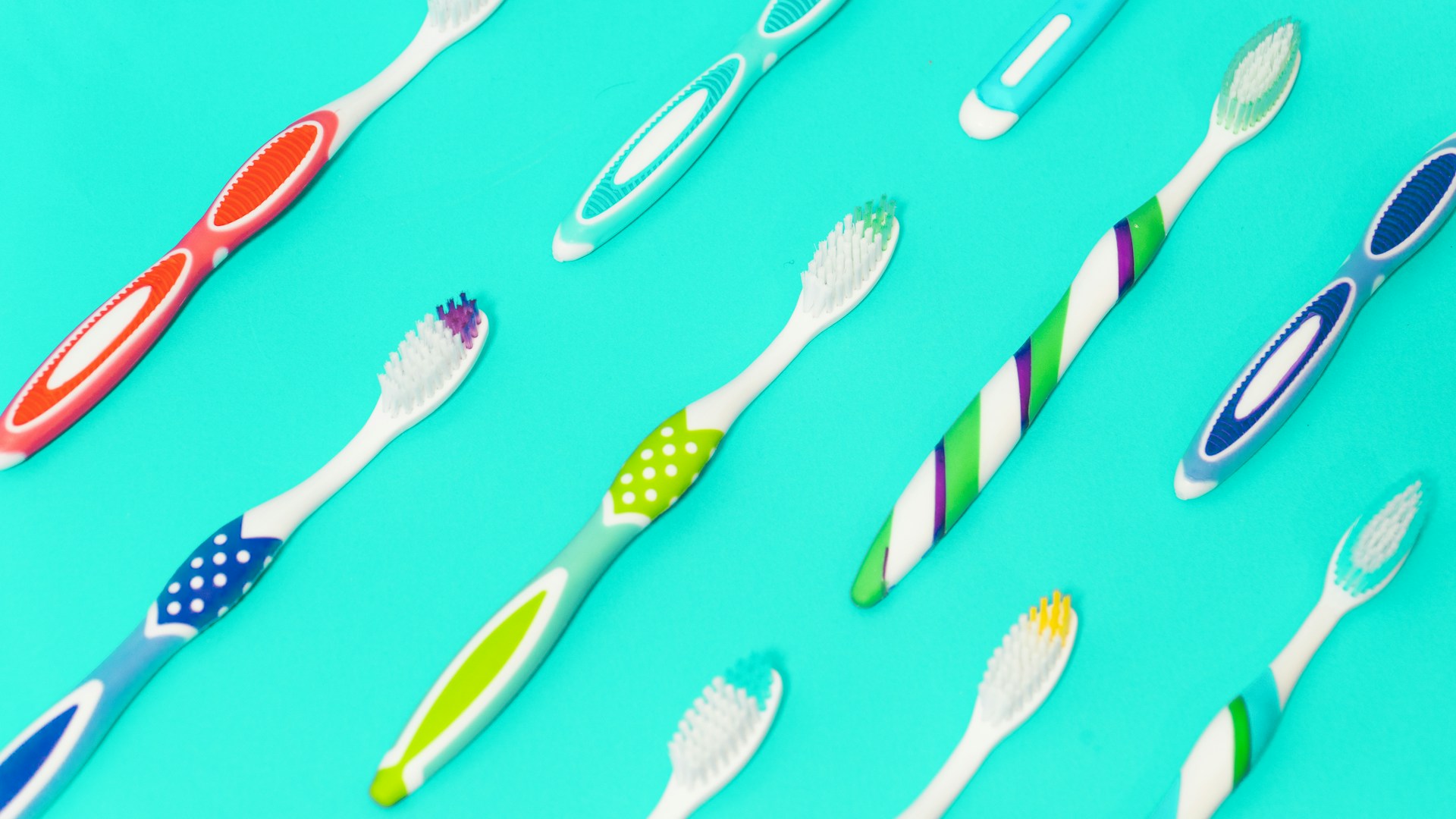
Enter the interdental brush. These are small, cone-shaped or cylindrical brushes with a wire core and bristles, designed to be inserted between the teeth. They come in a variety of sizes to fit the different-sized gaps in your mouth.
The Advantages of Interdental Brushes
- Ease of Use: For many, interdental brushes are significantly easier to use than floss. The handle provides a good grip, and the “in-and-out” motion is more intuitive than the wrapping and gliding required for flossing.
- Superior Plaque Removal (in many cases): Several studies have shown that when there is space for them, interdental brushes are more effective at removing plaque and reducing gum inflammation than floss. The bristles are able to disrupt the biofilm of plaque more effectively than a smooth piece of string.
- Ideal for a Variety of Needs
- People with braces: They can easily clean around brackets and wires.
- Those with bridges and implants: They can effectively clean the surfaces of these restorations.
- People with larger gaps between their teeth: The bristles can fill the space and provide a more thorough cleaning.
The Drawbacks of Interdental Brushes
- Finding the Right Size: It’s crucial to use the correct size of interdental brush. A brush that is too small won’t be effective, and one that is too large can damage your gums. You may even need a few different sizes for different areas of your mouth.
- Cost: Interdental brushes are generally more expensive than floss.
- Not for Tight Spaces: If your teeth are very close together, you may not be able to fit even the smallest interdental brush between them.
The Evidence-Based Verdict on Interdental Cleaning
The growing popularity of interdental brushes isn’t just based on anecdotal evidence. A number of scientific studies have compared the effectiveness of interdental brushes and dental floss. The consensus is that for many people, interdental brushes have the edge.
Systematic reviews of multiple studies have concluded that interdental brushes are more effective at reducing both plaque and gingivitis than dental floss. The British Society of Periodontology and Implant Dentistry has even stated that interdental brushes are the preferred method of cleaning for interdental spaces, with floss being a viable alternative for areas where brushes don’t fit.
Making the Right Choice for You: A Personalized Approach
So, what does this all mean for you? The choice between floss and interdental brushes is a personal one, and the best tool is the one you will use consistently and correctly. At Blende Dental Group, we believe in a personalized approach to oral health. Here’s our guidance for our diverse patient community.
For Our General Dentistry Patients
If you have tight contacts between all your teeth and have mastered the flossing technique, there’s no need to abandon what’s working for you. However, we encourage you to be open to trying interdental brushes, especially if you have any larger gaps. You might even find that a combination of both tools works best for different areas of your mouth.
For Our Senior Patients
As we age, we may experience changes in our oral health, including receding gums that can create larger gaps between teeth. We may also face challenges with dexterity due to conditions like arthritis. For our senior patients, interdental brushes can be a game-changer. The larger handle is easier to grip, and the simple motion can make daily interdental cleaning a more manageable and less frustrating task.
This is where our mobile dentistry for seniors service can be particularly helpful. We can visit you in the comfort of your own home to provide a professional cleaning and demonstrate the proper use of interdental brushes. We can also help you select the right sizes for your unique needs.
For Our Patients with Disabilities or Special Needs
We understand that for patients with physical or developmental disabilities, and for their caregivers, maintaining oral hygiene can present unique challenges. The difficulty of flossing can be a major barrier to effective cleaning. Interdental brushes, with their ease of use, can empower individuals with special needs to take a more active role in their oral care, or make the task easier and more effective for caregivers.
Our team at Blende Dental Group is experienced in working with patients with special needs, and our sedation dentistry options can help create a calm and comfortable environment for those who experience anxiety or have difficulty sitting for long periods. We are also proud to offer mobile dentistry services for those with special needs, bringing our compassionate and specialized care directly to you.
For Our Patients with Dental Restorations
If you have crowns, bridges, or dental implants, you know that keeping them clean is crucial for their longevity. Floss can sometimes shred on the edges of restorations, and it can be difficult to clean around the base of an implant. Interdental brushes are often the superior choice for cleaning these areas effectively.
The Blende Dental Group Difference: Your Partners in Oral Health
The debate between floss and interdental brushes highlights a key principle that we live by at Blende Dental Group: there is no one-size-fits-all solution in dentistry. Your smile is unique, and your oral care routine should be too.
We are more than just a dental practice; we are your partners in achieving and maintaining optimal oral health for a lifetime. Whether you are looking for high-end general and cosmetic dentistry, require urgent care through our emergency dentistry services, or need the specialized support of our sedation and mobile dentistry programs, we are here for you.
Don’t let confusion or frustration with your oral hygiene routine hold you back from a healthy smile. We invite you to schedule a consultation with our team. We will take the time to understand your individual needs, answer all your questions, and provide you with the personalized guidance you deserve.
Ready to find the perfect interdental cleaning solution for you? For existing patients, schedule an appointment today. If you’d like to become a patient, book a consultation. Let us help you unlock your healthiest, most confident smile.
Related Articles

Blende Dental Group
6218

Blende Dental Group
12836

Blende Dental Group
50461

Blende Dental Group
486137

Blende Dental Group
228727
Blende Dental Group
231294
Blende Dental Group
234813

Blende Dental Group
388470

Blende Dental Group
225557
Blende Dental Group
231660
Blende Dental Group
285023
Blende Dental Group
609900

Blende Dental Group
520497
Blende Dental Group
258748
Let's brighten
that smile
The when and where are up to you.