
Sedation Dentistry
Sedation Dentistry and Autism: A Guide for Patients and Caregivers
 Blende Dental Group
 134
Estimated reading time: 6 minutes
Key Takeaways
- People with autism have different sensory, communication, and dental care needs. A personalized plan is more useful than a one-size-fits-all approach.
- Changes to the dental environment, clear communication, and practice visits may make appointments easier.
- Sedation is an option for some patients, but an autism diagnosis alone does not mean sedation is necessary.
- Medical history, medications, the planned procedure, and patient preferences all matter when choosing a sedation approach.
For some children and adults with autism, a dental appointment can be challenging long before treatment begins. The sounds of equipment, bright lights, unfamiliar sensations, changes in routine, or difficulty communicating discomfort may make even a routine examination feel overwhelming. These experiences vary greatly from person to person. Dental teams can often make meaningful adjustments when they understand a patient’s needs in advance.1
When accommodations alone are not enough to complete necessary care safely, sedation dentistry may be worth discussing. The goal is not to change the person or make them comply with a standard appointment. It is to identify a respectful, appropriate way to provide dental treatment while protecting their comfort, autonomy, and health.
At Blende Dental Group, special needs dentistry includes individualized care for children and adults with autism and other complex needs. The appropriate approach begins with understanding the person, not assuming that sedation will be needed.
Why Dental Visits Can Be Difficult for Patients with Autism
A dental visit involves close contact, unusual tastes and textures, strong lights, instruments near the face, and requests to remain still or keep the mouth open. Some people with autism are especially sensitive to these experiences; others may have different priorities, such as predictable instructions, extra time to process information, or a trusted support person. For adults with autism, the University of Washington School of Dentistry recommends learning about past dental experiences and sensitivities, communicating clearly, and reducing distracting sensory input where possible.1
These challenges should not be mistaken for a lack of interest in oral health. A patient may want treatment and still find parts of the process difficult to tolerate. Starting with the person’s own preferences and communication style can help the team identify workable adjustments.
Try Individualized Accommodations First
Helpful strategies can include a conversation before the appointment, a familiarization visit, an appointment at a preferred time of day, a quieter room, simple explanations, planned breaks, or permission to bring a sensory item. Patients and caregivers can also share a short description of communication preferences, triggers, previous dental experiences, and what has helped before. Autism Speaks recommends discussing these details with the dental team and asking about tours, support people, and breaks in advance.2
There is also promising pediatric research. In a randomized clinical trial involving children with autism ages 6 to 12, a sensory-adapted dental environment reduced physiological and behavioral distress during routine dental care compared with a regular environment. The study does not establish the same effect for all ages or every kind of procedure, but it reinforces the value of considering a child’s sensory experience.3
For an adult, the dental team may similarly explore gradual introductions to instruments, fewer interruptions, consistent staff, and reduced lights or noise based on individual needs.1 No single strategy works for everyone, and the patient should have opportunities to communicate discomfort or request a pause.
When Might Sedation Dentistry Help?
Sedation may be considered when necessary dental treatment cannot be comfortably or safely completed with accommodations alone, or when the extent of treatment makes a conventional visit impractical. The University of Washington’s dental guidance for adults with autism notes that sedation may be used with appropriate precautions and that general anesthesia may be required for complex restorative or surgical care.1
It is important to separate an autism diagnosis from a sedation decision. Many patients with autism receive care while fully awake. Others may benefit from sedation for particular procedures. A dental and anesthesia team should consider the patient’s goals, ability to tolerate different steps, medical needs, and the treatment being proposed.
Understanding the Options
There are different approaches to managing anxiety, awareness, and movement during dental procedures. They are not interchangeable, and the right choice depends on clinical assessment.
Blende Dental Group’s sedation and sleep dentistry services include the options below, with treatment planned for an office or hospital setting when appropriate.
- Nitrous oxide: An inhaled option that may help some patients feel more relaxed while remaining responsive. Tolerating a nosepiece is an important practical consideration.
- Oral sedation: Medication taken by mouth may produce relaxation and drowsiness. The effects and level of responsiveness depend on the medication, dose, and individual patient.
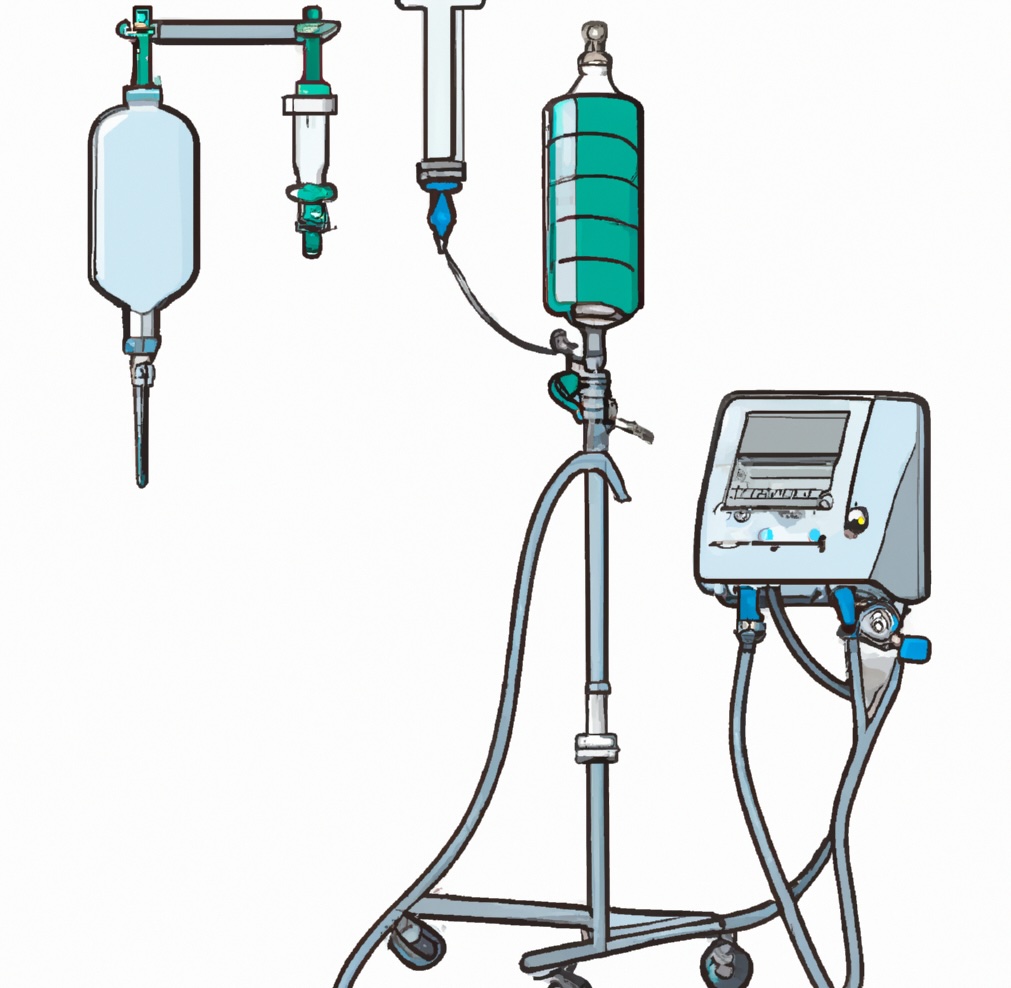
- IV sedation: Medication delivered through a vein allows the team to manage sedation during a procedure. Its suitability depends on the patient and the intended level of sedation.
- General anesthesia: A medically induced state of unconsciousness that may be considered for more extensive or otherwise difficult-to-complete treatment.
Sedation and general anesthesia require appropriate assessment, trained personnel, monitoring, and emergency preparedness. The American Dental Association’s updated guidance addresses factors such as fasting, medical assessment, oxygen delivery, and emergency protocols.4 Families should ask which approach is being proposed, why it fits the specific treatment, who will administer and monitor it, and where care will take place.
Special Considerations for Children
Children require pediatric-specific safeguards. The American Academy of Pediatrics and American Academy of Pediatric Dentistry guidance emphasizes presedation evaluation, airway assessment, review of medications and potential interactions, appropriate fasting instructions, continuous monitoring, trained personnel, and recovery assessment before discharge.5 Caregivers should follow the specific instructions provided by the child’s clinical team and never give a sedating medication on their own to prepare for a dental visit.
What to Discuss Before the Appointment
Whether you are arranging care for yourself, your child, or someone you support, the first conversation can make a difference. Consider sharing:
- Preferred communication methods, including speech, writing, pictures, or communication devices
- Sensory sensitivities, comforting objects, and strategies that have worked in other healthcare visits
- Previous dental experiences, including what went well and what was distressing
- Current medications, allergies, medical conditions, and any prior anesthesia experiences
- The patient’s preferences about a support person’s presence, breaks, and how to indicate discomfort
The patient should be involved in decisions to the extent they can and wish to participate. If another person has legal authority to consent, that does not replace the value of explaining care to the patient in an accessible, respectful way.
If travel itself is a significant barrier, ask whether an initial evaluation could take place at home. Blende Dental Group offers at-home dental evaluations and treatment for eligible patients, while determining separately where more involved care should take place.
How Blende Dental Group Approaches Autism and Sedation Dentistry
Blende Dental Group’s team collaborates with physician anesthesiologists and considers each patient’s medical history, dental needs, and circumstances before recommending a sedation approach. Depending on the patient’s needs, care may take place in an office or hospital setting. An at-home evaluation does not mean every procedure or sedation option can be provided at home.
Dental care should be accessible without overlooking a person’s individuality. If you are exploring options for a patient with autism in the San Francisco Bay Area or New York City, contact Blende Dental Group to discuss needs, possible accommodations, and whether a sedation consultation is appropriate.
Frequently Asked Questions
Does every patient with autism need sedation for dental care?
No. Autism alone is not an indication for sedation. Many patients can receive care with individualized communication, sensory adjustments, and sufficient time. Sedation may be considered when needed treatment cannot otherwise be completed comfortably and safely.
Is general anesthesia the same as sedation?
No. Sedation can involve different levels of reduced anxiety or awareness. General anesthesia is a state of unconsciousness. A qualified care team should explain the proposed level, monitoring, recovery, and alternatives.
Can caregivers help prepare for the visit?
Yes. Sharing a patient’s preferred communication, sensory needs, medical history, and past experiences can help the dental team plan. A practice visit or visual schedule may also help, if the patient finds those approaches useful.
Sources
- 1 University of Washington School of Dentistry. Oral Health: Adults with Autism: A Guide for Dental Professionals.
- 2 Autism Speaks. How to Prepare Your Autistic Loved One for Dental Visits.
- 3 Stein Duker LI, et al. Sensory Adaptations to Improve Physiological and Behavioral Distress During Dental Visits in Autistic Children: A Randomized Crossover Trial. JAMA Network Open. 2023.
- 4 American Dental Association. ADA Releases Updated Sedation and Anesthesia Guidelines. 2026.
- 5 American Academy of Pediatrics and American Academy of Pediatric Dentistry. Guidelines for Monitoring and Management of Pediatric Patients Before, During, and After Sedation for Diagnostic and Therapeutic Procedures. 2025.
Related Articles

Blende Dental Group
88170
Blende Dental Group
85989

Blende Dental Group
119596

Blende Dental Group
134222

Blende Dental Group
191724

Blende Dental Group
136466

Blende Dental Group
198121
Blende Dental Group
195373

Blende Dental Group
320982
Let's brighten
that smile
The when and where are up to you.